
cement plant manufacturing process manufacturer Grasping strong production capability, advanced research strength and excellent service, Shanghai cement plant manufacturing process supplier create the value and bring values to all of customers.
 WhatsApp)
Volume 3, Issue 5, November 2013 385 Abstract— formalized by French and British engineers in the 18th This paper analyzes an existing processing management system in a cement factory in India. During the last two decades (80's and 90's), major technological advancements took place in design of cement plant equipment/systems. The
The raw materials needed to produce cement (calcium carbonate, silica, alumina and iron ore) are generally extracted from limestone rock, chalk, clayey schist or clay. Suitable reserves can be found in most countries. These raw materials are extracted from the quarry by blasting. They are then crushed and transported to the plant where they are stored and homogenized.
Cement is so fine that 1 pound of cement contains 150 billion grains. The cement is now ready for transport to ready-mix concrete companies to be used in a variety of construction projects. Although the dry process is the most modern and popular way to manufacture cement, some kilns in the United States use a wet process.
A cement plant consumes 3 to 6 GJ of fuel per tonne of clinker produced, depending on the raw materials and the process used. Most cement kilns today use coal and petroleum coke as primary fuels, and to a lesser extent natural gas and fuel oil.
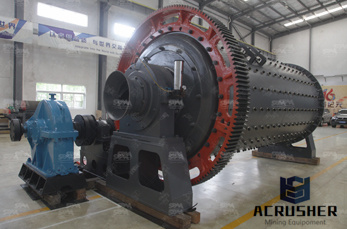
Stage of Cement Manufacture. There are six main stages of cement manufacturing process. Stage 1 Raw Material Extraction/Quarry. The raw cement ingredients needed for cement production are limestone (calcium), sand and clay (silicon, aluminum, iron), shale, fly ash, mill scale and bauxite. The ore rocks are quarried and crushed to smaller pieces of about 6 inches.
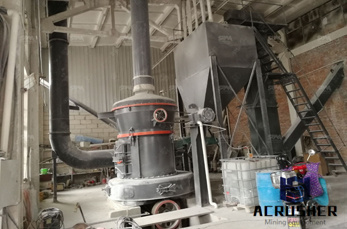
Sep 14, 2014· JK Lakshmi Cement Manufacturing Process JK Lakshmi Cement. Loading... Unsubscribe from JK Lakshmi Cement? ... (CCG Plant) - Duration: 4:27. LoescheGroup 18,527 views. 4:27.
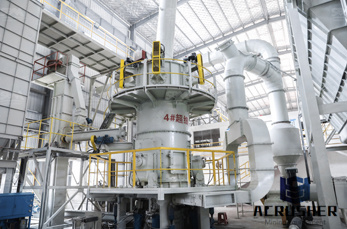
This is where the cement manufacturing process begins. Limestone is the major raw material used for producing cement, and is excavated from the captive mines held by the organization. The quarrying activity is carried out employing opencast mining technique, following drilling and blasting.
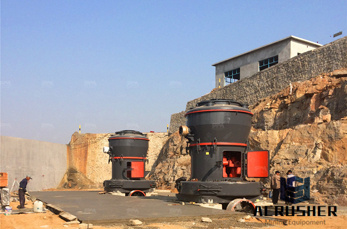
Cement manufacturing is truly a one-of-a-kind business. It requires a spectrum of technology found in few industries. The 24/7 continuous process of chemical and physical transformations in kiln systems that can reach one quarter of the sun's surface temperature is mesmerizing to all.
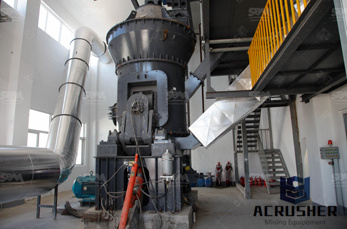
The principal raw material required for cement manufacturing is Limestone. Limestone is mined from the mines by blasting explosives and is transported from the mining area to the process plant and then fed into a primary hopper from where the limestone bolder is fed to the primary crusher (Jaw Crusher) with the help of a reciprocating feeder.
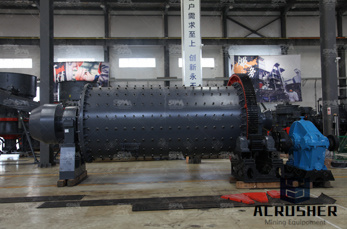
Cement Manufacturing Process 1 Extraction. Materials are extracted / quarried / recovered and transported to the cement plant. 2 Crushing and milling. The raw materials, limestone, shale, silica and iron oxice are crushed and milled into fine powders. 3 Mixing and preheating.
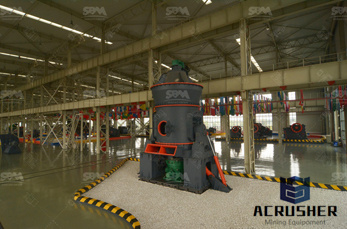
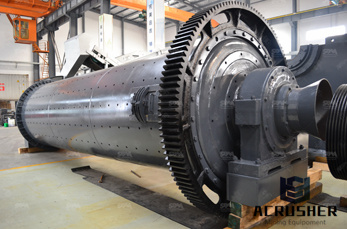
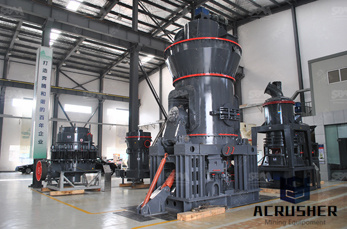
Cement grinding. The clinker from the pyro-processing area is ground in ball mills or roll press + Ball mill combination or vertical roller mills to form cement. Commonly used separators are in closed circuit grinding are: O –sepa, Sepol and Sepax separators to achieve a finish cement fineness of 3000 – 4000 Blaine surface (cm2/gm).
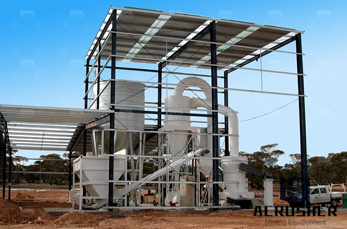
plants, using Life C ycle ... 3.2 Cement manufacturing process ... Cement blocks are, probably, the most important building material in urban Kenya. They are made by mixing cement, sand and small ...
conveyor Next Raw mix kiln cooling Back preheating clinker storage at the plant Raw mill THE CEMENT MANUFACTURING PROCESS 1.GRINDING : The clinker and the gypsum are very finely ground giving a "pure cement". Other secondary additives and cementitious materials can also be added to make a blended cement. 1.
Cement Manufacturing Process Cement is the basic ingredient of construction and the most widely used construction material. It is a very critical ingredient, because only cement has the ability of enhancing viscosity of concrete which in returns provides the better locking of sand and gravels together in a concrete mix.
The cement manufacturing process starts from the mining of raw materials that are used in cement manufacturing, mainly limestone and clays. A limestone quarry is inside the plant area and a clays quarry is as far from the plant area as 25 km.
Aug 30, 2012· The remaining cement is shipped in bulk quantities by mean of trucks, rails or ships. Cement Manufacturing Process Flow Chart. After explaining the complete process of cement making, flow chart would be like that. flow chart present the summary of whole process as shown below.
An ENERGY STAR Guide for Energy and Plant Managers. Environmental Technologies Division. Lawrence Berkeley National Laboratory. January 2004. LBNL-54036 GREENHOUSE GAS EMISSIONS In cement manufacturing, CO2 is emitted as a result of both fuel combustion and process .
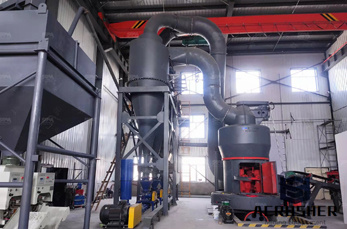
Cement Plant Manufacturing Process Understanding Of Cement Process. Most Common materials which is used to manufacturing cement is includes limestone, shells, and chalk combined with shale, clay, slate, blast furnace slag, silica sand, and iron ore. These ingredients, when heated at high temperatures form a rock-like substance that is ground ...
Jun 10, 2014· Cement manufacturing process 1. 1.What is cement ? 2.History. 3.Overveiw of Cement Manufacturing process. 4.Overveiw of Kiln process. 5.Why burn wastes ? 2. Portland Cement . A hydraulic cement made by finely powderising the clinker produced by calcining to incipient fusion a mixture of argillaceous and calcareous materials. .
3) On-Site Power Plants. Cement manufacturing is a very energy intensive process. As such, on-site power plants are increasingly being used to meet energy demands of the cement plant. Some of the fire hazards associated with on-site power plants include fire .
Virtual Cement Plant Tour | Portland Cement Association (PCA)
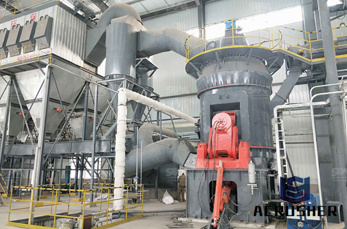
From the limestone quarry to the delivery of the end product, follow every step in the cement manufacturing process. Step 1: extraction of raw materials The raw materials needed to produce cement (calcium carbonate, silica, alumina and iron ore) are generally extracted from limestone rock, chalk, clayey schist or clay.
Cement Plant optimization cementindusneed assists entrepreneurs and cement plant professionals: To provide most updated knowledge of cement manufacturing in highly structured format.To facilitate online calculators for process engineers, operators, QC peoples and management use. To provide online training programs on the subjects from project to product management to equip you with the tools ...
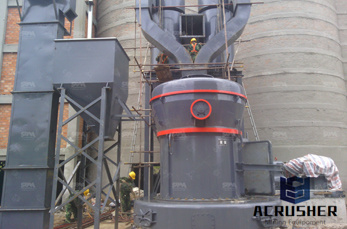
Sep 17, 2015· The Electrostatic Precipitators are used in cement plants particularly for removal of dust from the exit gases of cement kilns and from the exhaust air discharged by dryers, combined grinding and drying plants, finishing mills and raw mills through water injection. 08 Kiln A kiln is the heart of any cement plant.
WhatsApp)
 Online Chat
 Sales Hotline