
produce of color cement in cement mill manufacturer Grasping strong production capability, advanced research strength and excellent service, Shanghai produce of color cement in cement mill supplier create the value and bring values to all of customers.
 WhatsApp)
White Portland cement is also used in combination with inorganic pigments to produce brightly colored concretes and mortars. Ordinary cement, when used with pigments, produces colors that may be attractive, but are somewhat dull. With white cement, bright reds, yellows and .
Ash Grove's Overland Park, Kansas, headquarters is home to a world-class laboratory established in the 1960s to carry out research and advanced testing of cement, pozzolans, concrete, aggregates and lime. One of the best-equipped, privately owned laboratories in the country, the Ash Grove Cement tec
This is done by a mixture of both air-cooling and water-cooling, including spraying water inside the mill. Cement milling and gypsum dehydration. Because the cement gets hot due to the heat generated by grinding, gypsum can be partly dehydrated, forming hemihydrate, or plaster of Paris - 2CaSO 4.H 2 O.
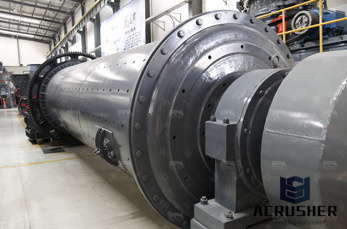
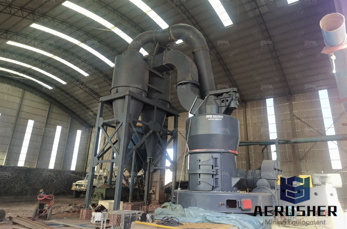
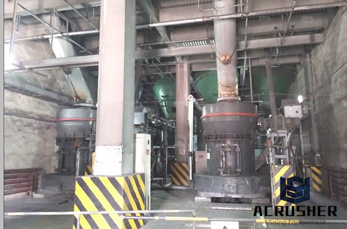
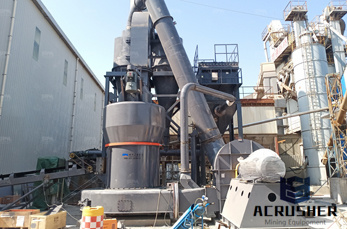
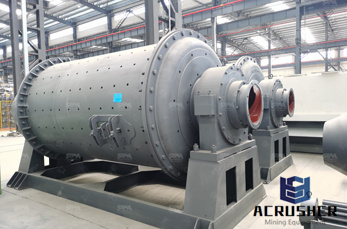
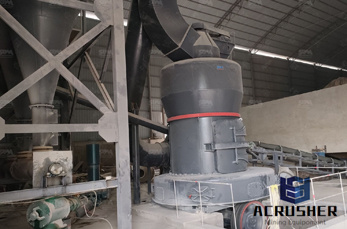
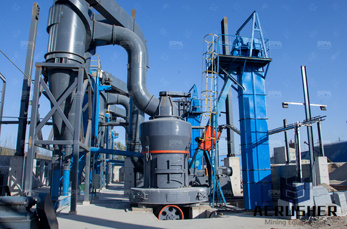
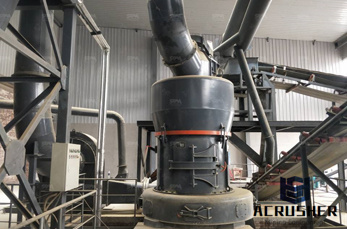
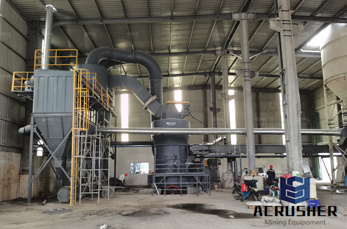
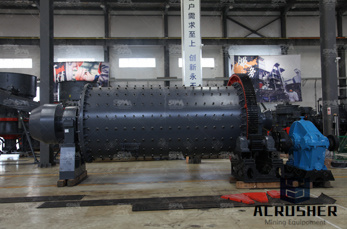
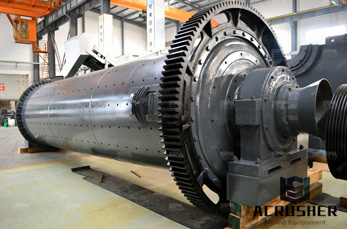
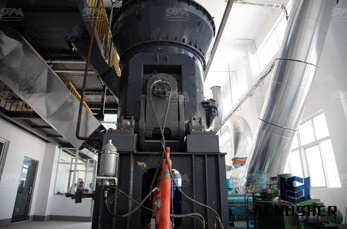
A 10 MW cement mill, output 270 tonnes per hour A cement mill (or finish mill in North American usage) is the equipment used to grind the hard, nodular clinker from the cement kiln into the fine grey powder that is cement. Most cement is currently ground in ball mills and also vertical roller mills which are more effective than ball mills.

Slag cement requires nearly 90% less energy to produce than portland cement. According to the Slag Cement Association, substituting 50% slag cement for portland cement reduces greenhouse gas emissions by more than 40% and lowers the embodied energy of concrete by more than 30%. Another factor is slag cement's nearly white color.
Bags with polyethylene in middle layers and an outer surface in white color. Bags for cement / lime / plaster / chemical products / building products / food. Product Properties. Type of Product: Area of Use: Standard Kraft Paper: It is used in production of 1-5 kg packaging materials and shopping bags. 50 - 60 - 70 - 80 - 90 – 100-120 g / m²
Aug 17, 1971· Portland cement is a fine powder, gray or white in color, that consists of a mixture of hydraulic cement materials comprising primarily calcium silicates, aluminates and aluminoferrites.
Grinding Media In Cement Mill - beckers-muehle.de. Segregation of grinding media of cement outside the segregation of media in ball mill segregation of media in ball mill grinding mill equipmentsegregation of media in ball mill colombia nvsiprint Oct 25th Ball mill Wikipedia A ball mill is a type of grinder used to grind and blend materials for use segregation of media in ball mill .

A cement is a binder, a substance used for construction that sets, hardens, and adheres to other materials to bind them together. Cement is seldom used on its own, but rather to bind sand and gravel together.Cement mixed with fine aggregate produces mortar for masonry, or with sand and gravel, produces concrete.Concrete is the most widely used material in existence and is only behind water .
Custom shades are made by varying the amount of color added to the mix. Typical dosage rates range from one to five pounds of Davis Colors™ per 94 pound (1 cu. ft.) of cement content. Approx. 1 to 5% of cement content.) Cement content includes portland cement, fly ash, silica fume, lime and other cementitious materials but not aggregate or sand.
To assure whitest mortar color, use only white sand. Colored Mortars. For colored mortars, the use of white masonry cement or white portland cement instead of the normal gray cements, not only produces cleaner, brighter colors, but is essential for making pastel colors such .
Our trucks, barges, railcars, crushers, cement haulers, front loaders, and. can be combined in a multitude of ways to make a superfleet that allows us to crush, load, process, and haul material all over our footprint. Let's chat about your next project. contact .
Cement Clinker Grinding Plant/Cement Mill/Cement Manufacturing Equipment, Find Details about Mini Clinker Grinding Unit, Ball Cement Mill from Cement Clinker Grinding Plant/Cement Mill/Cement Manufacturing Equipment - Xinxiang Great Wall Steel Casting Co., Ltd.
Cement manufacturing: components of a cement plant. This page and the linked pages below summarize the cement manufacturing process from the perspective of the individual components of a cement plant - the kiln, the cement mill etc.. For information on materials, including reactions in the kiln, see the ' Clinker ' pages.
In the diagram above of a precalciner kiln, raw meal passes down the preheater tower while hot gases rise up, heating the raw meal. At 'A,' the raw meal largely decarbonates; at 'B,' the temperature is 1000 C - 1200 C and intermediate compounds are forming and at 'C,' the burning zone, clinker nodules and the final clinker minerals form.
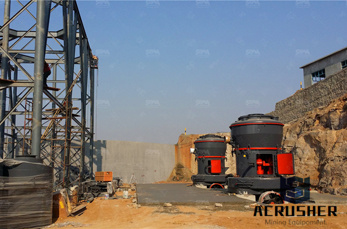
The gray color that is common for most portland cement is due to the iron and manganese oxide compounds present in cement. However, to produce white cement, raw materials having very low levels of these metals are selected.
Color is an important quality control issue in the white cement industry in order to achieve consistency in brightness and tone (see Figure 1). The gray color that is common for most portland cement is due to the iron and manganese oxide compounds present in cement. However, to produce white cement, raw materials having very
Cement. Cement is the basic binding agent used to bind water, aggregates and sand in the production of ready mixed concrete. LEARN MORE Cement Treated Materials. CTM is a simple, plant-mixed, highly compacted mixture of granular aggregates, Portland cement and water.
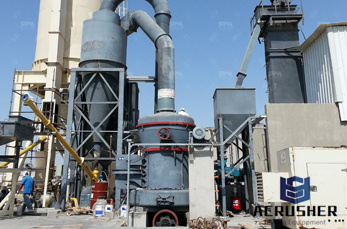
Aug 30, 2012· Cement is the basic ingredient of construction and the most widely used construction material. It is a very critical ingredient, because only cement has the ability of enhancing viscosity of concrete which in returns provides the better locking of sand and gravels together in a concrete mix.
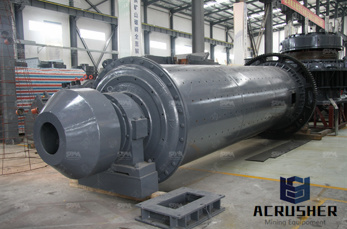
Cement is produced by heating the raw materials to produce slaked lime (CaO) and other compounds in the chemical process of calcination. Large roller kilns, operating at 1450–1500°C, fire the input slurry to produce marble-sized cement clinker, which is then crushed to yield the final fine-powder product.
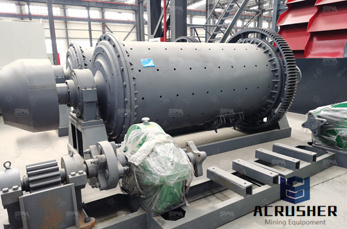
The latter is sent to the mill inlet for regrinding and the final product is stored in concrete silos. Step 6: Packing Cement extracted from silos is conveyed to the automatic electronic packers where it is packed in 50 kg bags and dispatched in trucks.
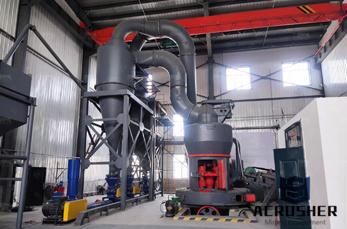
Cement is a fine powder, obtained from the calcination at 1,450°C of a mix of limestone, clay, and iron ore. The product of the calcination process is clinker—the main ingredient of cement—that is finely ground with gypsum and other chemical additives to produce cement.
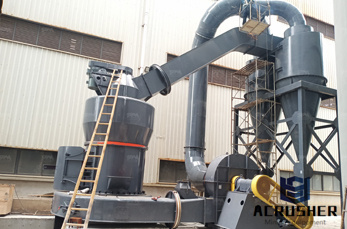
Ashoka's cement plant unit has continued focused on objectives of product improvement and quality. In our entire turnkey cement plant equipments and machinery, we supply a complete assembly consisting of different machines and equipment, which facilitate the plant to execute efficiently and manufacture a better-quality completed product as per the international quality standards.
Certification Letter - Type N Non-Pigmented Portland Cement & Lime 1 file(s) 190.99 KB
WhatsApp)
 Online Chat
 Sales Hotline